
Qalvora Logo Qalvora Contact Us
Contact Us
Beginner Guide

Beginner Latin Dance Classes in Porto: What to Expect

Thinking about joining a beginner class in Porto? This guide walks you through typical class structure, what to wear, common techniques you'll learn, and how to find the right instructor for you.

10 min read Beginner April 2026
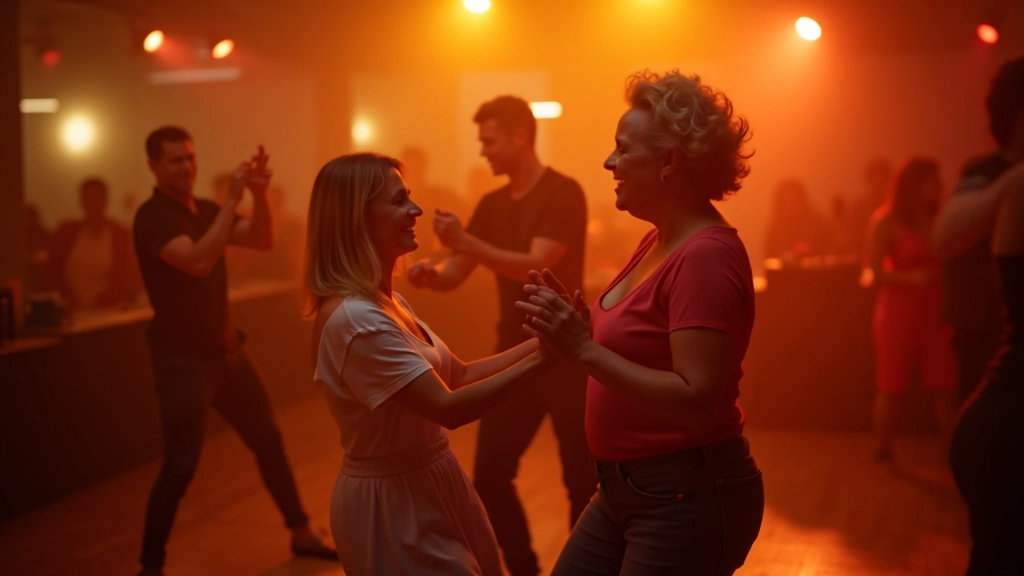
Professional dance instructor teaching beginner Latin dance class to adults in a Porto dance studio
Mariana Cardoso

Author

Mariana Cardoso

Senior Dance Community Specialist

What Happens in Your First Class

Your first class will feel a bit overwhelming — but that's completely normal. Most beginner groups in Porto have anywhere from 8 to 15 people, which means you won't feel like you're under a spotlight. The instructor will spend the first 10-15 minutes explaining what you're about to learn. They'll show you where to stand, how to hold your frame, and what the basic rhythm sounds like.

The actual dancing starts slowly. You're not jumping into full choreography on day one. Instead, you'll work on the fundamental step patterns — the basic movement that everything else builds on. In bachata, that's the side-to-side step. In salsa, it's the forward-back pattern with the weight shift on beat two. You'll repeat this maybe 20-30 times while the instructor walks around, correcting posture and positioning.

"You'll repeat the basic step maybe 20-30 times. It feels repetitive, but that repetition is how it becomes muscle memory."

The Class Structure You'll See

Most classes follow a pretty standard format. You'll arrive 5-10 minutes early, get some water, chat with whoever's already there. Then the instructor puts on some music to warm up — usually lighter songs, nothing too intense. This is when you loosen your shoulders, shake out your hips, get your body ready to move.

After warm-up comes the technique section. This is the meat of the class — 30-40 minutes where you're learning specific steps and movements. The instructor demonstrates, you copy. They'll walk around correcting people's form. Don't take it personally if they adjust your posture — they do it for everyone.

The last 10-15 minutes is usually practice time. You'll pair up with another person and actually dance together while the instructor plays songs. This is where things feel real. You're not just doing steps in isolation — you're moving with someone else, and that changes everything.
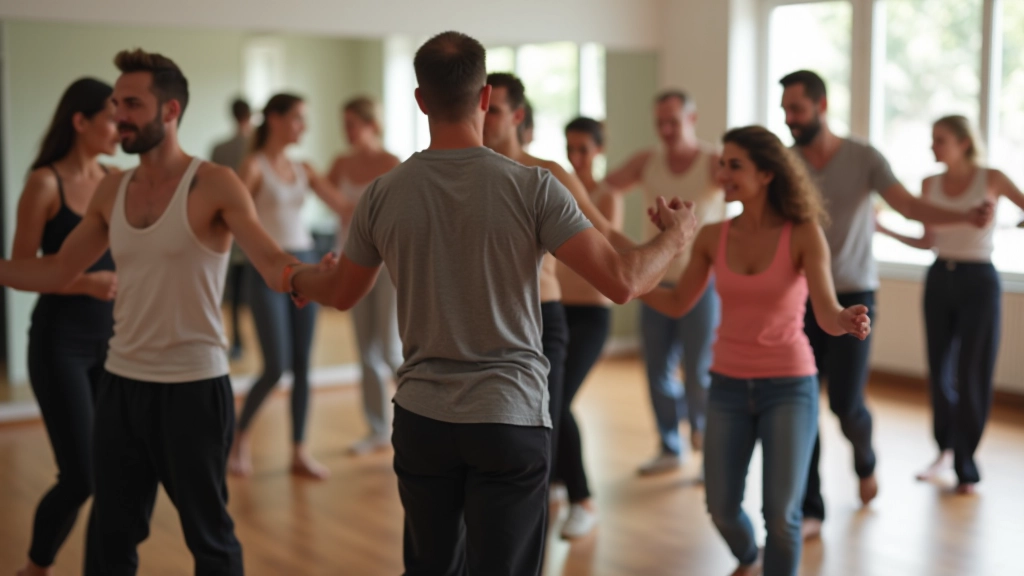
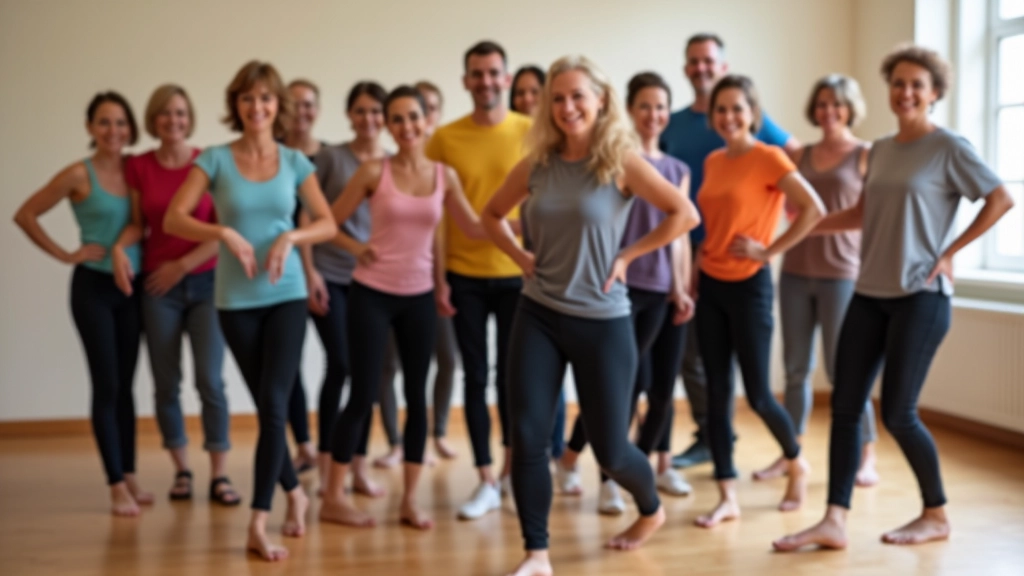
Group of beginner dancers in a Porto dance studio practicing basic step patterns together

What You'll Actually Learn

The fundamentals aren't complicated, but they do take practice. You're learning three main things: timing, frame, and movement quality.

Core Techniques You'll Master

  • Timing: Hearing where beat one is and stepping on the right count. Bachata is counted 1-2-3, pause, 5-6-7. Salsa uses 1-2-3, pause, 5-6-7. Same count, different feel.
  • Frame: How you hold yourself and your partner. Good frame means your connection is clear, you're not pulling or pushing, and you can lead or follow cleanly.
  • Hip movement: Latin dance comes from your hips, not your knees. You'll learn to isolate hip movement from your upper body, which feels weird at first but gets natural pretty quickly.

The instructors in Porto are pretty patient with beginners. They know that most people walk in feeling self-conscious. You won't be criticized for messing up. In fact, you'll probably see the instructor deliberately make mistakes during demonstrations just to show you that it's fine. Everyone struggles with the hip movement at first. Everyone counts out loud. That's the whole point of the beginner class.

Close-up of dance instructor demonstrating proper frame and posture for bachata dancing
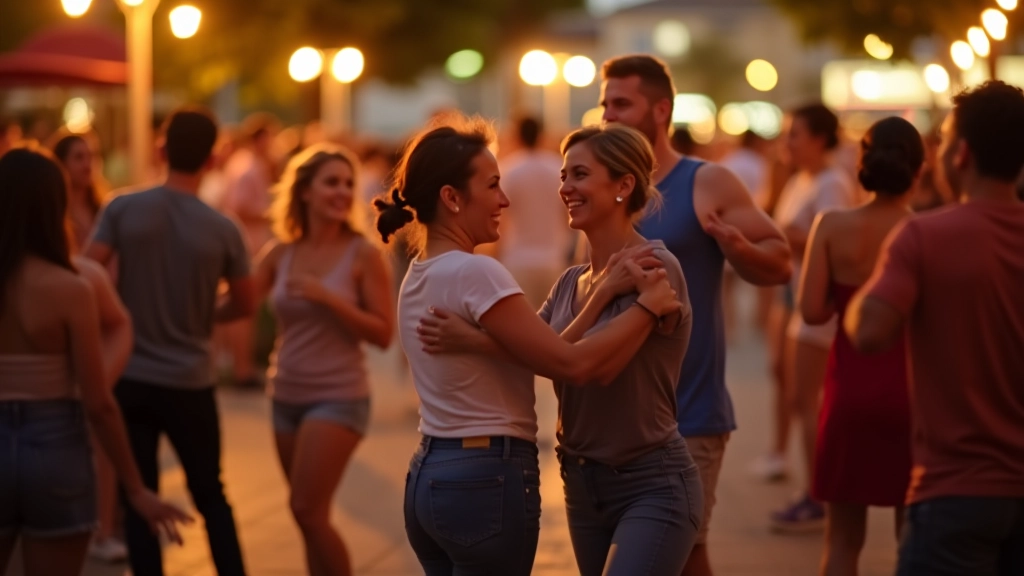
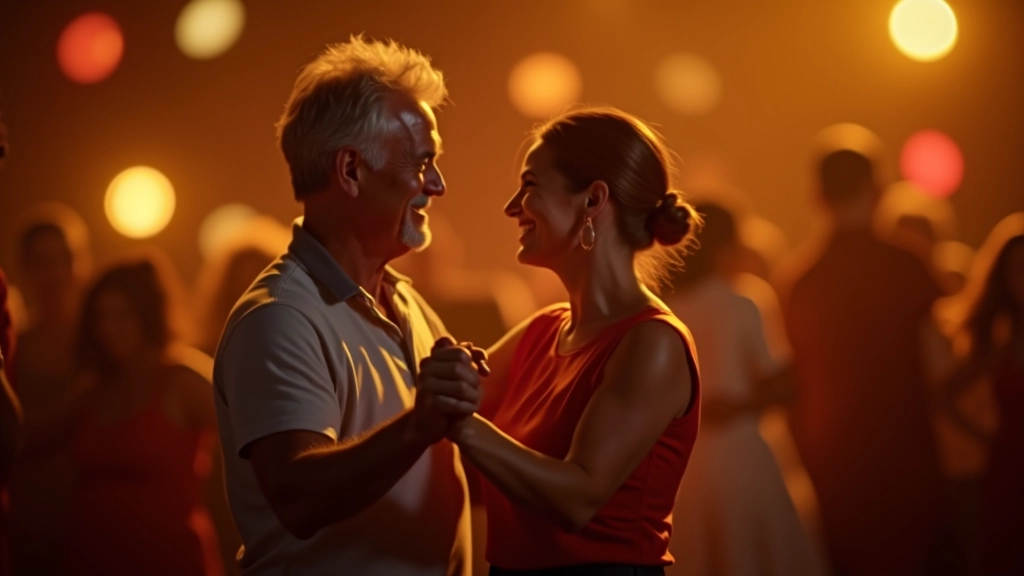
Beginner dancers wearing comfortable dance attire in a Porto dance studio

What to Wear and Bring

You don't need special dance clothes. Seriously. Wear whatever makes you feel comfortable moving. Jeans work. Leggings work. A t-shirt and shorts work. The only rule is shoes — you need shoes that let your foot pivot. That means no heavy hiking boots or stiff athletic shoes. A lot of people wear soft jazz shoes or regular sneakers. Some just wear socks on the wooden floor.

Bring water. Your first class, you'll probably sweat more than you expect, even though you're not doing anything super intense. The nerves get you. Plus, the room is warm because there are 10+ people moving around. A water bottle is essential.

Don't worry about looking like a dancer. The instructors in Porto have trained hundreds of people who walked in with zero dance experience. You'll fit right in. Everyone there is a beginner once.

Finding the Right Class for You

Porto has a solid dance scene. You'll find classes in the city center, near Ribeira, and in neighborhoods like Miragaia. Most dance studios offer drop-in classes for beginners, which means you don't have to commit to a 10-week course. You can try one class, see if you like it, and come back the next week if you do.

Tips for Choosing Your First Class

1

Check the schedule: Classes usually run 60-90 minutes. Evening classes (7-9pm) are packed with working people. Daytime classes are smaller and sometimes less rushed.

2

Watch a class first: Most studios let you observe for free. Watching teaches you a lot about the instructor's style and the class vibe before you commit.

3

Ask about the instructor: Years of experience matter. Someone who's been teaching beginners for 5+ years will be better at explaining things clearly than someone who's been dancing for 20 years but just started teaching.

4

Talk to the students: After class, ask people how long they've been going. If most people have been there for months, that's a good sign. It means the instructor keeps people engaged.

Don't overthink it. Your first class doesn't have to be perfect. What matters is showing up and trying. You'll learn more from one class than from watching videos online, because you'll have real feedback and real music and real people to dance with.

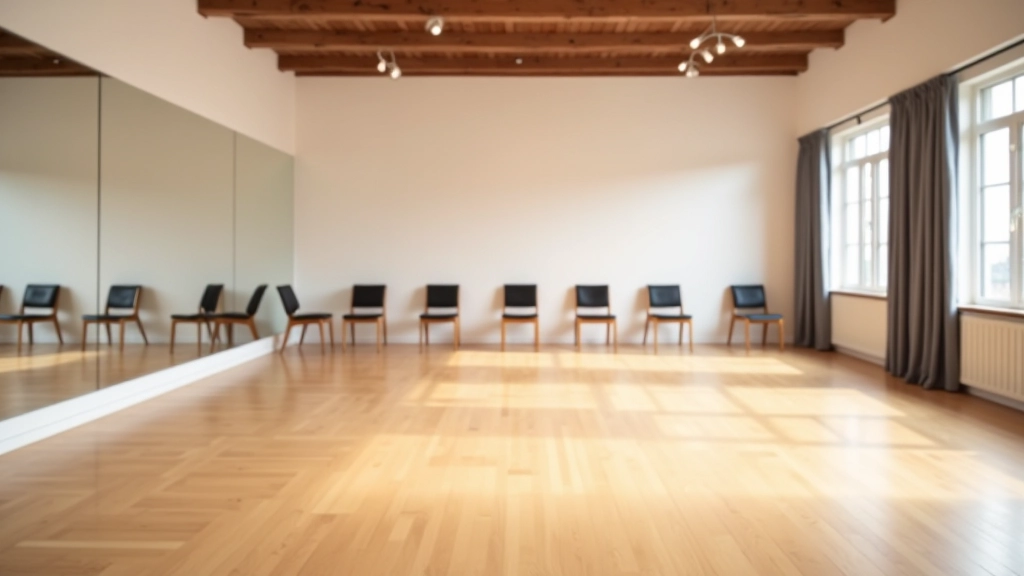
Interior of a modern dance studio in Porto with mirrors, wooden floor, and proper lighting

The Real Talk

Your first class will feel hard. You'll feel uncoordinated. You might step on your partner's foot. You'll probably forget which way to step halfway through the music. That's completely normal, and it happens to everyone.

But here's what also happens: By week three or four, the basic step becomes automatic. Your body remembers. Your feet know where to go without you thinking about it. And suddenly you're not just following instructions — you're actually dancing. You're moving with someone, listening to the music, and feeling something that's genuinely fun.

That's why people keep coming back. Not because they're naturally talented dancers, but because the progression is real. You can measure your improvement week to week. And the community in Porto's dance studios is welcoming. People want beginners to succeed. They remember what it felt like to be new.

If you're thinking about joining a beginner class in Porto, just do it. Bring water, wear comfortable clothes, and show up ready to feel a little awkward. That awkwardness goes away faster than you'd think.

Important Notice

This guide is for educational and informational purposes only. Information about dance classes, instructors, and venues is based on typical conditions in Porto and is subject to change. Always verify current class schedules, pricing, and instructor qualifications directly with dance studios. Individual experiences with dance classes vary based on personal fitness, flexibility, and prior movement experience. If you have physical health concerns or injuries, consult with a healthcare professional before beginning any new physical activity. This article does not constitute professional instruction or medical advice.